

Glaucophyceae is a small, primitive group of freshwater algae that holds great evolutionary significance because it shows a direct link between cyanobacteria and modern plastids (chloroplasts).

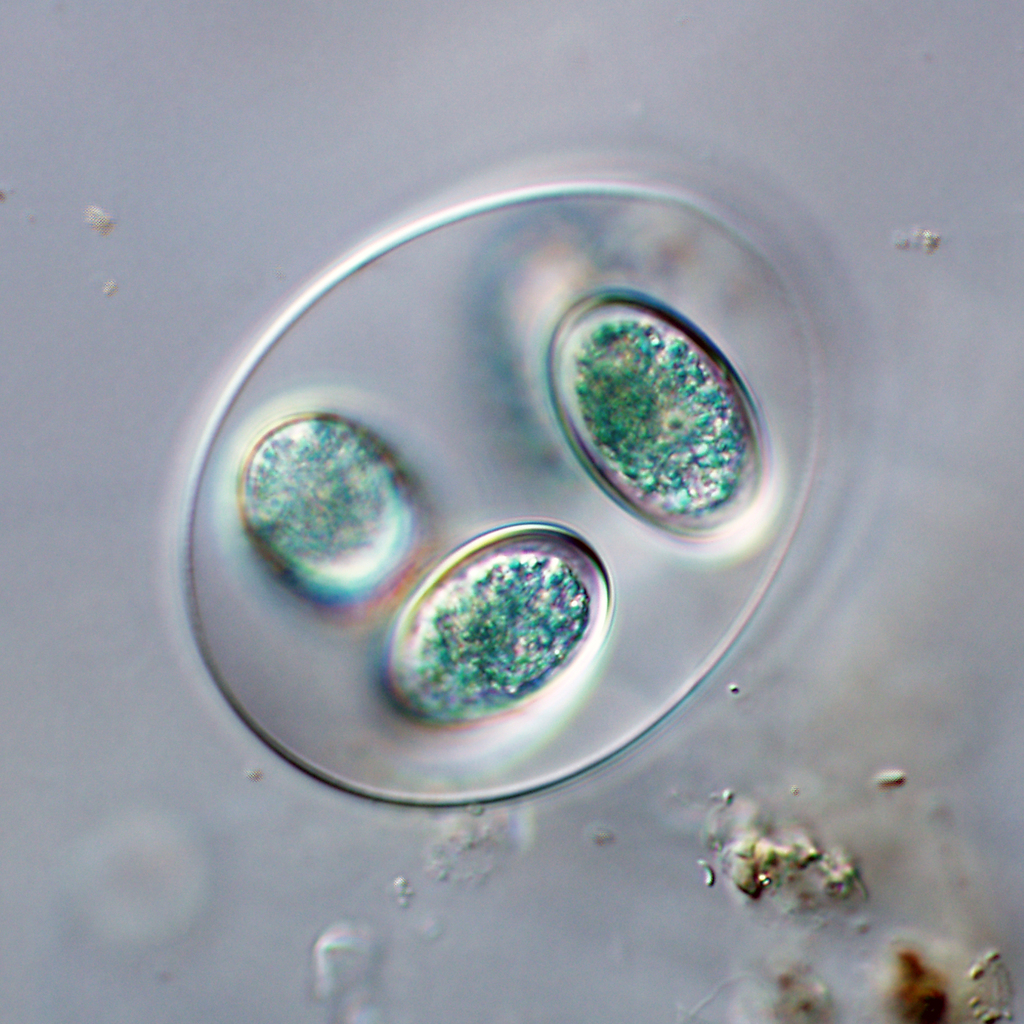
General Characteristics of Glaucophyceae
- Primitive algal group with strong evolutionary importance
- Mostly unicellular, rarely colonial
- Freshwater habitat (ponds, lakes, slow-moving water)
- Cells generally non-motile
- Eukaryotic organisms (true nucleus present)
- Chloroplasts are unique and called cyanelles
- Cyanelles retain a peptidoglycan (murein) layer

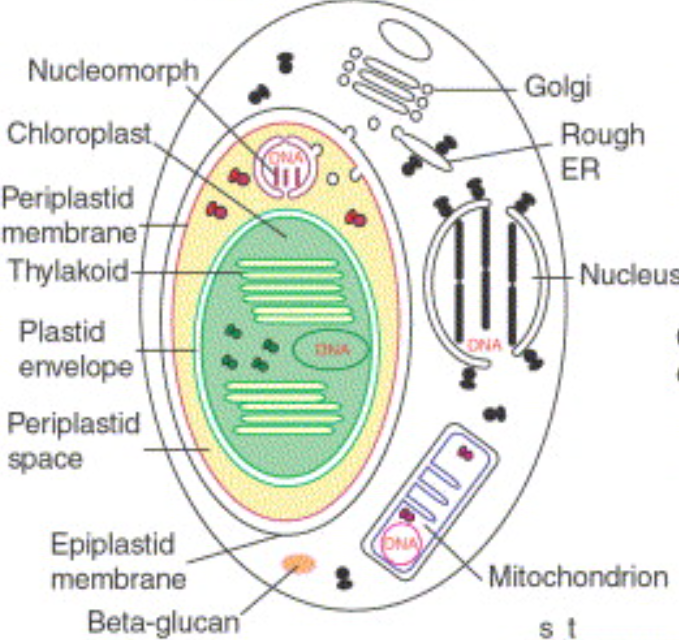
Photosynthetic pigments:
- Chlorophyll a
- Phycobilins (phycocyanin, allophycocyanin)
- Chlorophyll b absent
- Cell wall mainly composed of cellulose
- Reserve food: cyanophycean starch (stored in cytoplasm)
- Asexual reproduction only, usually by binary fission
- Sexual reproduction absent
- Rare, less diverse, and considered living fossils
Mode of Reproduction
- Only asexual reproduction is present
- Sexual reproduction is completely absent
Asexual Reproduction
Occurs mainly by:
🔹 Binary Fission
- The most common method
- The parent cell divides mitotically into two identical daughter cells
- Each daughter cell receives:
- One nucleus
- Cyanelles (chloroplasts) by division
- Growth is slow but stable


Type of Life Cycle
- Asexual
- Monogenetic
- Haploid (n)
🧬 Stages of Life Cycle
- Vegetative Cell (n)
- The organism exists as a haploid unicellular body
- Contains:
- True nucleus
- Cyanelles (chloroplast-like organelles)
- Cell Growth
- Cell increases in size
- Cyanelles replicate by division
- Binary Fission
- Nucleus divides by mitosis
- Cytoplasm divides
- Two identical haploid daughter cells are formed
- Independent Daughter Cells
- Each daughter cell grows and repeats the same cycle
Evolutionary Importance of Glaucophyceae
Glaucophyceae occupy a key evolutionary position among algae because they preserve features that link prokaryotic cyanobacteria with eukaryotic chloroplasts.
Major Evolutionary Significance
- Living evidence of endosymbiosis
- Their plastids (cyanelles) closely resemble cyanobacteria
- Presence of a peptidoglycan (murein) layer between plastid membranes—absent in higher plants
- Bridge between prokaryotes and eukaryotes
- Show transitional characters between:
- Cyanobacteria (prokaryotes)
- Chloroplasts of algae and higher plants (eukaryotes)
- Show transitional characters between:
- Support to Endosymbiotic Theory
- Cyanelles contain:
- Circular DNA
- 70S ribosomes
- Division by fission
- Strongly supports that chloroplasts evolved from engulfed cyanobacteria
- Cyanelles contain:
- Primitive photosynthetic machinery
- Pigments include chlorophyll a and phycobilins
- Similar to cyanobacterial photosystems
- Ancestral plastid condition
- Considered closest to the original plastid from which red algae, green algae, and land plant chloroplasts evolved
- Low diversification = ancient lineage
- Limited species diversity suggests early divergence and long evolutionary stability